
56
COST OF THE SHEEDY CASE
AND THE PRESENT TERM OF COURT
An Unusually Quiet Day Around the Offices in the Court House.
Mrs. Jane Jones is Granted a Divorce On the Grounds of Cruelty and Neglect, and Alimony is the Sum of $500.
Something of the Cost.
The county clerk has almost completed the computation of the expenses of the pending term of district court, although some claims against the county on account thereof have not yet been certified up. From those now in, however, Clerk Howe estimates that the expense of the term to the county will reach $11,000. This is a neat sum when it is remembered that salaries of court officers are not included in the estimate. The cost of the Sheedy murder case foots up about $6,000. And still there are a good many witnesses complaining that they have been unable to get their fees. The above estimate of the Sheedy case does not include the cost of the inquest and other preliminary features, but simply the trial in district court.
57
LINDELL HOTEL. Cor. 13th and M Streets, Lincoln, Nebraska. A. L. Hoover & SON, Proprietors.
The newest, neatest and best up-town hotel. Three blocks from capitol. All modern improvements. Steam heat and electric lights in every room. Rates $2, $2.50 and $3 per day.
58
THE LINCOLN DAILY CALL. ANNUAL REVIEW LINCOLN, NEBRASKA, JANUARY 1891 YEAR 1890
THE WHOLESALE TRADE.
Lincoln's Resistless March Upon the Jobbing Field.
The Year's Summary Shows a Steady Growth- Unequaled Openings Remain.
Lincoln's Forte.
Lincoln, with nearly sixty thousand population and the fifty-first city in size in the United States, with a rapid, constant and healthy growth, has advantages for the jobbing trade that cannot be offered by any other city in the west. In fact there are few, if any, cities in the country so well adapted to all branches of the wholesale trade. Lincoln is located right in the heart of the most fertile, productive and rapidly developing portion of the great west. With splendidly equipped railroads running hundreds of daily trains into every portion of her rich surrounding territory she sits like a spider in the center of its web and gathers in the rich harvests from her tributaries. Situated as she is in the very palm of the hand of industry with her fingers of commerce reach out further and further every year, the future of the jobbing trade of Lincoln is an assured success. The steady growth and development of the vast territory reached by the jobbers of this city must necessarily increase the demand for supplies. Unlike older cities in older territory, where every niche is filled and business activity has reached its pinnacle, Lincoln is yet in its infancy of possibilities and in none of its industries is there a field of more scope and promise than the jobbing trade and a large number of exclusive wholesale houses could make money here right from the start. They could safely compete with houses in Omaha, Kansas city or anywhere and would have a great advantage in the superiority of the railroad facilities of Lincoln which permits them to out-class all competition in point of prompt and speedy delivery of goods and besides have the very lowest of freight rates.
The Burlington alone has 3,061 miles of road in Nebraska and Lincoln is the bse of its opperations. This of itself is a very important fact for the jobbers as the Burlington controls more mileage in this state than all the other roads put together. As a consequence the bulk of the jobbing trade in this state must necessarily pass over its lines, and if from other cities it will have to pass through Lincoln to reach its destination. Thus the advantages of freight rates and delivery to the Lincoln jobbers can be seen at a glance. the Burlington also has direct lines to Colorado, Wyoming, Dakota and other points in the west and north-west.
The Union Pacific also has through lines here that furnish ready transportation to many points for the Lincolnites. The Missouri Pacific also provides an outlet for the south and southeast. The F. E. & M. V. road, one of the main branches of the great North-Western, also provides a speedy and direct outlet to all points in the north, north-east and north-west. And now that the Rock Island has arrived on the scene, Lincoln has still further shipping facilities for all points in the south and east, and a direct rout to Denver, Pueblo and the west. In addition to these main lines there are many others that encompass every desirable point for the Lincoln jobbers. Lincoln is also a passenger and freight division for each of the different roads and altogether more than one hundred and fifty trains arrive and depart from this city daily. All these are facts for serious consideration and should not be overlooked by those wishing an unequalled opening for the jobbing business and are worthy of their attention.
In spite of the fact that there are few exclusively wholesale houses here and that much of the jobbing has been done by retail dealers who were forced to wholesale to meet the consumers' demand, the showing is a very good one as will be seen by the summary of the jobbing business for the past year, especially when we consider the closeness of the money market during the last six months. The jobbers all say they could have sold a great many more goods had they desired, but that they thought it best to be somewhat conservative until they could get a clearer idea of the outcome of monetary affairs.
Among the many branches of the wholesale business which have enjoyed a rapid increase is the fruit and produce business. Two years ago in a "boom" article it was given as but $250,000; while last year the actual sales were $1,050,000, and increase of over 400 per cent. The business in lumber, sashes and doors, has, during the same time, risen from $200,000 per year to 925,000, and increase of nearly 500 per cent. The coal and lime trade during the same period has jumped from $300,00 to $1,335,000, almost 500 per cent. Many other branches of the jobbing trade have doubled and tripled their trade during the past two years while many branches of business that were not in the wholesale field at all two years ago are now doing a jobbing business that runs up into the hundreds of thousands annually. There are many other branches of business that should be represented in the whole sale trade and could be with profitable results to those who should undertake it. With Lincoln's great facilities it can be but a very few years before shoe will be known as a great wholesale point in the west and as "the early bird catches the worm," so it will be with those who early take advantage of the opportunities now offered the jobbing trade in Lincoln.
The following is a list of jobbers of the city and a summary of the business don by them last year. This list does not include the names of many who do a small amount of jobbing in addition to their retail trade and their business which as a whole would amount to a large, yearly sum is not estimated in these figures at all.
AGRICULTURAL IMPLEMENTS, WAGONS AND BUGGIES.
Anderson Chris., 817-19 O street. Cadman J, & Son, 233-35 North Tenth street. Case, J. I. Threshing Machine Co., Eleventh and X street. Guthrie, E. R., 1540 O street. Humphrey Bros. Hardware Co., Nineth and O street. Jones, J. T. Buggy Co., 205-7 South Tenth street. Lawrence Implement Co., Tenth and W street. Lewis Hardware and Implement Co., Tenth and Q street. McCormick Harvester Co., Tenth and Q street. Sultan Cart and Carriage Co., 1324 O street. Wallingford & Shamp, 917 O street.
BOOKS, STATIONARY AND PAPER. Clason, Fletcher & Co., 1120 O street. Hyde, Hodge and & Hyde, 121 North Nineth street. Leming A. T. & Co., 1106 O street and 118 North Eleventh. Leighton, C. M., 145 South Tenth street. Lincoln Newspaper Union 209 South Tenth street. Pace, Williams & North, 820-22 O street. State Journal Co., Nineth and P. streets.
BOOTS AND SHOES J. Z. Briscoe, 1141 N street. Webster & Rogers, 1043 O street.
BREAD AND PASTRY. Fredericks, Bailey & Co., Tenth and N streets. Wilson, Ports, 912 P street.
BUTTER AND EGGS. Campbell, F. E., Eleventh and C streets. Chandler, J. H. & Son, 216 South Sevent street. Cunningham & Greene, 141 north Twelfth street.
CARPETS. Capital City Carpet Co., 234 to 238 S. Eleventh street. Davis, A. M. & Son, 1112 O street. Gaeckler, O. E. & Co., 225 to 231 N. Tenth street.
CIGARS AND TOBACCO. Barwick, J. S., 225 N. Ninth street. Brown & Houtz, 227 N. Ninth St. Capital City Cigar Factory, Ninth and L streets. Goldstein, Chas., 826 O street. Leland, Sam D., 808 P street. Patrick, H. B. & Co., 843-5 O street. Wholtenberg, P.J., 128 S. Eleventh street. Wolf, J. R., 128 N. Tenth street.
CLOTHING, HATS AND CAPS. Ewing Clothing Co., 1115-17 O St. Globe Clothing House. 1005 O street. Herman Bros., 1017-19 O street. Hurlburt, A. & Co., Tenth & P streets. Mayer Bros. 112-14-16-18 North Tenth.
COAL Barton, P. & Co., Thirteenth and O streets. Betts & Weaver, 118 South Elevent street. Godfrey, A. S., 916 North Ninth St. Hutchins & Hyatt, 1040 O street. Leavitt, H. M. 1133 O street. Missouri Valley Fuel Co., 1100 O St. Oakley, R. H., 1044 O street. Pomeroy Coal Co., Twelfth and O streets. Tidball, R. M., & Co., 122 North Eleventh street. Trester, M. L., 1217 O street. Vivyan, F. H., & Co., 201-3 North Tenth street. Whitebreast Coal and Lime Co., 109 South Eleventh street.
COFFEE, TEA AND SPICES. Capital City Coffee and Spice Mills, 227 to 231 North Eleventh street. Lincoln Coffee and Spice Mills, 805 P street. Union Pacific Tea Co., 953 O street
DRUGS H. T. Clarke Drug Co., Eighth and P streets.
DRY GOODS Herpolsheimer & Co., Tenth and N streets. Maxwell, Sharpe & Ross Co., 1532 to 1538 O street. Nissley, H. R., & Co., Tenth and P streets
FLOUR AND FEED. Bell & Cowdery, 118 North Fourteenth street. Boothe, Jas., 1933 O street. Burns & Co., 121 South Ninth St. Cunningham & Greene, 141 North Twelth street. Fleury W. C. & Co., 2026 O street. Fredericks Baily & Co., Tenth and N streets. Gallaway, W. C. & Co., 229 South Ninth street. Johnson, F. S. & Co., 208 South Ninth street. Kendall & Smith Eighth and P Sts. Mitchell, Morton & Co., 231 North Ninth street. Strickland, C. O., 1018-20 N street. Union Commission Feed store, 1442 O street. White, C. C., Eighth and O streets
FRUIT AND PRODUCE. Arena- Ghio Fruit Co., 829 O street. Cunningham & Greene. 141 North Twelth street. Eldrege & Co., 1018 N street. Grainger Bros., 1016 P street. Lasch Bros., Tenth and N streets.
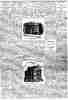
{Upper Image} "THE LINCOLN"-Erected 1890 Cost $250,000 The Lincoln Hotel Company, Owners Shears & Markel, Lessees
Searie, M. M., 921 Q street
FURNITURE AND COFFINS. Wisconsion Furniture and Coffin Co., Sixth and L streets.
GASOLINE AND COAL OIL. Consolidated Tand Line Co., Fourteenth bt. Z and Dudley avenue.
GLASS. Lincoln Glass Co., 1546 O street. Western Glass & Paint Co., 324 to 330 South Twelfth street.
GLASSWARE AND QUEENSWARE. Funke & Ogden Twelth and N street.
GLOVES. Hellwig. F. W., 206 South Eleventh street.
GROCERIES Hargreaves Bros., Eighth and O Sts. Law, H. P., 217 to 223 North Eighth street. Plummer, Perry & Co., 109 to 113 North Ninth street. Raymond Bros., & Co., 801 to 811 O street.
HARDWARE. Humphrey Bros., Ninth and O Sts. Lewis Hardware and Implement Co., Tenth and Q streets.
HARNESS AND SADDLERY. Harpham Bros., 833-5 O street. Lincoln Saddlery Co., 738 O street.
{Lower Image} THE BRACE BUILDING-Erected 1890. D. L. Brace, Owner. F. C. Flake, Architect.
Wittman, H. & Co., 140-2 North Tenth sreet.
HIDES, WOOL AND TALLOW. McMillan, Jas., & Co., 920 R street. Oberne, Geo., & Co., 821 P street.
ICE CREAM. F. P. Folsom, 1307 O street. Porter, H. Mont, 1107 N street.
JEWELRY. Trickey, J. B. & Co. 1035 O Street.
LEATHER AND FINDINGS. Goodell, O. E. 125 South Ninth St.
LIQURS Bauer, John, 915 O street. Glaser Otto, Eleventh and N street. Glass, M. & Co., 224 North Eleventh street. Junge, J. Eight between N and O streets. Kelley, Patrick, 115-7 South Twelfth street. Kennedy, P. J., 135 North Twelfth street. Sanders, H. J. & Co., Tenth and P streets. Wise, David & Co., 839 O street. Woltermade, H., 728 P street.
LUMBER, SASH, DOORS, ETC. Betts & Weaver, 118 South Eleventh steet. Chicago Lumber Co., 125 South Eighth street. Delta, C. N., Sixteenth and O Sts. Godfrey, A. S., 916 North Ninth St. Henry & Coatsworth, Fourth and N streets. Lincoln Lumber Co., 116 South Thirteenth street. Munson & Walker, 1122 O street. McKell, J. C. 708 O street. Tester, M. L., 1217 O street. Welr, A. H., & Co., 1012 O street.
OYSTERS AND FISH Booth, A. Packing Co., 1025 P St. Fellows Bros., 1229 O St. June, C., Thirteenth and O Sts.
PAINTS AND COLORS. Globe White Lead Color Co., 305-7 O St. Lincoln Paint and Color Co., 811 to 815 O St. Western Glass and Paint Co., 324 to 330 South Twelfth St.
PUMPS AND PLUMBERS SUPPLIES. Cooper, W. J. & Cole Bros., 146 South Tenth street. Dean & Horton, 1450 O street.
RUBBER GOODS. Lincoln Rubber Co., 1136 O street.
SEEDS AND FLORISTS SUPPLIES Griswoth Seed Store 140 South Eleventh street
STONE. Castle, R. O. & Co., University Place. Ecker, W. A., 116 South Thirteenth street. Forberger, Speidell & Co., Eighth and M streets. Heater & Kelm, 1521 O strreet. Mussetter, J. D. Pomeroy Coal Co., Twelfth and O streets. Trester, M. L., 1217 O street. Tyler, W. H., Seventh and L streets.
SUMMARY BUSINESS Business per year. Persons Employed Groceries...................................[2,600,000?] 77 Coal...........................................1,135,000 196 Agricultural Implements, etc.......[1,100,000?] 83 Fruit and produce.......................1,075,000 90 Lumber, sash, doors, etc..............1,035,000 160 Liquors.......................................645,000 45 Flour and feed.............................625,000 33 Books, stationery and paper.........600,000 [48?] Drugs.........................................600,000 30 Dry goods...................................580,000 44 Pumps and plumbers' supplies.....400,000 22 Butter and eggs...........................350,000 40 Cigars and tobacco......................350,000 60 Harness and saddlery..................325,000 18 Paints and colors.........................265,000 [17?] Hides, tallow and wool................250,000 14 Coffee, tea and spices..................235,000 20 Clothing, hats and caps...............225,000 10 Furniture and coffins..................200,000 11 Stone.........................................200,000 80 Carpets......................................180,000 22 Glass..........................................160,000 17 Gasoline and coal oil...................150,000 7 Hardware...................................140,000 14 Boots and shoes..........................135,000 6 Oysters and fish..........................130,000 14 Bread and Pastery.......................100,000 16 Glassware and queensware..........80,000 4 Jewelry.......................................50,000 6 Leather and finding.....................50,000 3 Rubber goods..............................50,000 4 Seeds and florists supplies...........15,000 5 Ice cream....................................12,000 6 Gloves.........................................7,000 2
Total...........................................$14,131,100 1,331
QUEEN OF COMMERCE. Lincoln Enthroned as Such by Five Great Rrailroads.
Converging Lines of Road Carry to and From Her Gates the Products of a Vast Empire.
1,000 Miles Built in 1890. To the railroads Lincoln owes much of her progress and prosperity and it is but just that they should have a fair share of our space in the annual review. As fast as the increase in population and travel has demanded it the different roads have promptly responded with additional train service until now Lincoln is provided with a railroad system unequaled by any other western city of its size.
Lincoln now has twelve diverging lines of railroad operating an aggregate of 23,040 miles of road west of the Missouri river and 6,253 in Nebraska, an increase of more than one thousand miles in the state mileage since 1889. Lincoln is a passenger and freight division point for all of these lines, another big feature in favor of the city. There are 58 passenter and 56 freight trains running into and out of Lincoln each day. This number only includes the regular trains and the specials nearly double that number. When the Rock Island commences running trains on its through line this number will also be greatly increased and a very low estimate would place the daily trains to and from this city onall roads at not less than two hundred.
THE BURLINGTON ROAD. Lincoln and the Burlington road have grown up together until they seem apart and parcel of each other. Nebraska is and has always been the Burlington's especial field for operation and Lincoln its home and headquarters. The Burlington operates 3,500 miles of road west of the Missouri river, of which 3,061 miles are in Nebraska.
The Burlington has made numerous extensions in its lines and many other improvements during the past year, the most important of which was the establishment of an extensive system of machine shops in this city. They are now in course of erection at Havelock and when completed will have cost about $1,000,000; more than $200,000 already having been spent. This is an important item for the city as these shops will give employment to 2,000 men. The Burlington Belt line running form West Lincoln to the F., E. & M. V. R. R. crossing was another item o fimportance to Lincoln's immediate vicinity while the extensions of its terminal lines in the west furnish additional territory for the distribution of Lincoln's products. Among the extensions of its terminal lines in the west furnish additional territory for the distribution of Lincoln's products. Among the extensions during theyear was a line from Newcastle, Wyoming, in the Black Hills to Buffalo, Wyoming, thus making a complete line right through the Black Hills. This line is already completed as far as Merino and will reach Buffalo by the time this article is in print. Another extension is the one from Edgemont, South Dakota, just south of the Black Hills, to Deadwood, thus manking another direct line through the best portion of the Black Hills and opening a direct avenue of trade for Lincoln to the richest mineral kingdom in the west. As is well known the Black Hills and vicinity are replete with rich deposits of gold, silver, tin, coal and oil. The terminus of the road is now a direct line with and but 200 miles east of the great Yellowstone National park and it doesn't take a very far-seeing eye to penetrate the future aim of this road and it will doubtless be but a short time before there will be a direct line established to the Yellowstone and on throught to Washington and the Pacific coast.
The Burlington now runs eighty regular trains in and out of Lincoln and has likewise received a large share of Lincoln's patronage. It was this road that first agitated the building of a union depot here. This road also opens an avenue for Lincoln travel and traffic to the mineral districts and extreme west and also to the south and during the past year made several extensions in Utah and Wyoming. The Union Pacific operates 11,041 miles of railway west of the Missouri river and of this amount 1,339 miles are in Nebraska. It runs eighteen regular trains in and out of Lincoln each day, ten passenger and eight freight. As soon as the Rock Island commences operations in this section they will use their track between here and Omaha, thus increasing their Lincoln train service and making another air line to Omaha. During the year they also made arrangements with the C., M., St. P. & O. railway and established a direct route between this city and Sioux City, on which they run a passenger train each way daily.
The Union Pacific at its terminal grounds in this city has during the past year purchased additional grounds thereto at an expenditure of some $50,000. It has a comprehensive plan in the hands of the directory of the road looking to great improvements which will include the most complete yardage ground in the west. In addition the plans are complete for a fireproof freight and transfer depot, the largest an dmost commodious on the company's lines west of the river.
THE F., E. & M. V. The Fremont, Elkorn & Missouri Valley road also assists in the passenger and freight trafic of Lincoln and Nebraska and operates 1,760 miles of road west of the Missouri river, of which number Nebraska can claim 1276 miles. This road also furnishes a traffic and passenger route for this city to the west and mineral regions and penetrates Wyoming as far as Casper, and South Dakota to Deadwood, Whitewood and other important points. This road has also made extensions in the west that have opened new fields for commerce. Among these were lines from Whitewood to Bellefourch; Buffalo Gap to Hot Springs, and Whitewood to Deadwood, in South Dakota, and from Creighton to Verdigre, in Nebraska. They will probably extend their southern road down through Kansas and into the Indian territory in the near future, and expect to put up a depot in Lincoln in the early spring or summer of this year. This road supplies Lincoln with eight regular daily train. The F. E. & M. V., as is well known, is a part of the great Northwestern system.
THE MISSOURI PACIFIC. Lincoln also has another good road in the Missouri Pacific and while it does not operate nearly so many miles of road in this state as any of the roads already mentiones, it furnishes a speedy and direct route to all points in the south, southeast and southwest, and has been of incalcuable balue to the city in securing the benefits to be derived from the Missouri river rates. It reaches the eastern markets at St. Louis and extends to Pueblo in the southwest and extends to Pueblo in the soutwest and Alexandria, Louisiana, in the south. This road furnishes Lincoln with six regular trains, four passenger and two freight trains. They operate 5, 239 miles of road of which Nebraska's share is 327 miles.
THE ROCK ISLAND Still another very important and a recent addition to Lincoln's system of railwasys is the Rock Island, which has just been completed from Omaha, through Lincoln and directly to Denver, Colorado Springs and Pueblo. Formerly this road did not extend west of the Missouri river. They now have 1,500 miles of road west of the Missouri, extending trought Nebraska, Kansas, Colorado and the Indian Territory. The stability and enterprises of this road is well known. Nebraska's share of this excellent road is [850?] miles. The trains have not been put on at this writing, owing to some difficulty or misunderstanding with the U. P., but unless new complications arise it will be but a few days until Lincoln will be provided with additional transportation on a road that is first class in all its equipments, and that will furnish through trains to either the west or east.
OVER $3,000,000.
Twelve Months Investments In New Buildings.
A Striking List of Costly Business Blocks, Residences, Hotels, Churches and Colleges.
A Record Breaking Year.
The amount of building done in Lincoln last year in the way of business blocks, hotels and residences, was something enormous and the total figures aggregate over $3,000,000. Owing to the fact that a record of the building permits was kept only a portion of the year and then incompletely the exact figures cannot be given but from the record as far as kept and from the books of the contractors, lumber merchants, stone dealers and contractors in brick work a low estimate would place the cost of residences at fully $1,700,000. More definite figures can be given as to the amount spent in the erection of business blocks, hotels and hotel improvements.
Among the many fine residences built during the year are; a handsome pressed brick with stone trimmings at Eighteenth and E. It is th eproperty of R. E. Moore, is nearly finished and will cost $35,000.
Mr. Rickett's handsome $25,000 home of pressed brick and sandstone trimmings was erected at Thirty-third and M streets and is one one the finest in the city.
Lake Superior sandstone and pressed brick are the materials used in the construction of E. E. Brown's beautiful residence now in course of erection at Thirteenth and J streets and when completed will cost the owner $35,000
A. W. Jansen erected a splendid
(Continued on Fourth Page.)
59
MANUFACTURING.
A City of Whirling Wheels and Busy Workmen.
Complete List and Summary of Lincoln's Industries-A Solid Foundation for Wealth.
Room for More.
The maufacturing interests of Lincoln are also quite extensive when one takes into consideration the age of the city, though as in the wholesale business, there is a great deal of room for vast improvemrnt. Not only are there plenty of desirable locations and an abundance of room in a commercial way for factories additional to those already established here, but especially are there choice openings for new enterprises of many sorts which would find a ready and profitable sale for their products.
Owing to the manner in which Lincoln is laid out and the evenness of the ground from the center to the most remote extremity, choice sits for the locations of factories of any kind or dimensions can be cheaply and readily secured, besides all worthy industrial enterprises seeking a location at this place will not only receive encouragement and support, but will be given immediate and substantial aid from citizens. Many new enterprises have taken advantage of this fact during the past year and many more will do so in the near future. As is sown in other places in this issue the facilities for shipping goods from Lincoln are far ahead of those afforded her rival cites and the fact that nearly all goods shipped into the state must pass through Lincoln to reach their destination will of itself demonstrate to the most callous observer Lincoln's superiority as a shipping point. Besides purchasers will not pass right through Lincoln to cities beyond when they can procure the goods they want right here. There are many manufacturing interests that could be established here and that would only depend upon their own exertions as to the amount of business they should do.
Those who are fortunate and foresighted enough to take advantage of these facts and appear early on the field and establish a trade in this rich, growing and rapidly developing country will have the gratification of seeing their business enlarge accordingly. Among the many factories for which there are especially good openings here and that could find ready sale for their produce are: Woolen mills, oatmeal mills, barbed wire factories, linseed oil mill and beet sugar works. Any or all of these and many others could be established here on splendid locations with but little cost, as cheaply maintained as in any western city and with pecuniary results that could not be excelled anywhere.
The following is a list of the manufacturing institutions already established here and the business they did during the past year:
ARTIFICIAL STONE. Pomeroy Coal Co., 1201 O street.
BLANK BOOKS AND BINDING. Hyde, Hoge & Hyde, 121 N. Ninth. Lincoln Newspaper Union, 209 S. Tenth. Pace, Williams & North, 820-22 O Street. State Journal, Ninth and P.
BOILERS, ENGINES AND MACHINERY. Roberts, J., 207 S. Ninth. Smith, R. L., 247 S. Ninth street. Trumbell, L., S. A street
BOTTLING WORKS. Capital City Bottling Works, 1712 P street Lincoln Bottling Works, 315 O St.
BRICK AND TILE. Dunton, M. B., South Lincoln. Hogan, Mrs. Mary, S. F street. Holmes, L. K., west O street. Lanham, John, South Lincoln. Lincoln Brick & Tile Co., West Lincoln. Stevens, S. Ninth street. Stockwell. J. E., South Lincoln. Vitrified Paving and Pressed Brick Co., Sixth and L streets.
BROOMS. Berger, W. H., 923 Q street.
CANDIES AND CONFECTIONERY. Folsom, T. P., 1307 O street. Lasch Bros., Tenth and N streets.
CARRIAGE AND BUGGY TOPS Lincoln Carriage Top Co., Twelfth and Vance Ave.
CIGARS AND TOBACCO. Captial City Cigar Factory, Ninth and L streets. Goldstein, Chas; 826 O street. Gotthelf & Kahn, 2217 O street. Witzel, Chas., 320 S. Twenty-first street. Wohlenberg, P. J., 128 S. Eleventh street. Wolf, J. R., 128 North Tenth.
COOPERAGE. Osborn, A. M., 338 N. Seventh St. Western M'f'g Co., South Lincoln.
CORNICE AND ORNAMENTAL WORKS. Collier, R. J., 1426 O street. Nebraska Cornice and ornamental Works, Eight and Q streets. Weidermann & Janesch, 212 South Ninth street.
CRACKERS. Jones, Douglas & Co., Eight and Q streets.
ELECTRICAL WORKS. Lincoln Electrical Manufacturing Works, Twenty-first and Y streets Lincoln Electrical Supply company.
FLOUR AND MILL STUFFS. Crabb, B. & Son, (Crabb's Mill), South Lincoln. Kendall & Smith, (Capital and Woodlawn Mills), Eighth and P streets.
FOUNDRIES. Hedges' Lincoln Iron Works, Seventh and M streets. Nebraska Iron Works, A and Folsom Ave.
GRANITE, MARBLE AND STONE CUTTING. Etker, W. A., 116 S. Thirteenth St. Forburger Speidel & Co., Eighth and M streets. Kimball Bros., 1135 M street. Sheehy, F. H., 1021-23 O street. State Granite & Marble Co., 1521 O street. Tyler, W. H., Seventh and L streets.
HARNESS AND SADDLERY Harpham Bros., 833-35 O street. Harpham, Henry, 122 S. Twelfth St. Lincoln Saddlery Co., 736-38 O St. Seifert, Chas., 133 S. Ninth street. Wittman, H. & Co., 140-42 N. Tenth street. Woodworth & McFall. 1235 O street.
MANTELS. Nebraska Mantel & Cabinet Works. 1226-28 M street.
MATTRESSES. The Western Mattress Co., 641-43 L street.
PACKING AND PROVISIONS. Lincoln Packing & Provision Co., West Lincoln. The Cudahy Packing Co., Seventh and L streets.
PAINTS AND COLORS. Globe White Lead & Color Co., 305-7 O streets. Lincoln Paint & Color Co., 811-13-15 O street.
PAPER BOXES. Lincoln Paper Box Factory, 133 N. Twelfth street.
PAPER. Lincoln Paper Mills, 736-38 O street.
PATENT MEDICINES. Eureka Rheumatic Remedy Co., 1033 N street. Railroad Pain & Remedy Co., 1429 O street, S. A. Pratt.
PATTERNS AND MODELS. Crandall's Patern & Model Works, 121 S. Ninth street.
PLANING MILLS. Capital City Planing Mill, N, between Eighth and Ninth streets. Lincoln Planing Mill, M, between Seventh and Eighth streets. Nebraska Planing Mill, Twenty-first and Y streets.
POTTERY. Lincoln Pottery Co. First and H St.
SHIRTS AND UNDERCLOTHING Capital City Shirt Factory, Tenth and O streets.
Lincoln Shirt Factory, 1008-10-12 O street.
SOAP. Carr's Soap Works, West Lincoln.
STOVES, RANGES AND FURNACES. Hall's Stove & Range Co., West O street. Lincoln Stove & Furnace Co., A street and Folsome avenue.
SUSPENDERS AND BRACES. Eagle Brace Co., 120 N. Fourteenth street.
TALLOW AND LARD. Oberne, Geo. & Co., West Lincoln.
TRUNKS AND VALISES. Lincoln Trunk Factory, 1133 O and 809 P streets.
VINEGAR, CIDER AND PICKLES. Ariens & Ecker, 116 S. Thirteenth street. Lincoln Cider & Vinegar Works, 931 Pine street. Wilson Vinegar Works, West Lincoln.
WAGONS, BUGGIES AND CARRIAGES. Camp Bros., Tenth M streets. Camp, D. W. & Son, Sixteenth and O streets. Roman, C. J., 127 to 135 S. Fifteenth street.
BUSINESS. Business per year. Capital invested. Persons Employed. Packing and provisions...........$3,300,000 $230,000 [1?0] Brick and tile..............................550,000 425,000 10 Flax seed mills............................500,000 75,000 [?]5 Harness and saddlery..................400,000 165,000 100 Blank books and binding.............400,000 125,000 95 Agricultural Implements.............380,000 1[?]5,000 225 Flour and mill stuffs...................360,000 130,0000 60 Candies and confectionery...........310,000 15,000 25 Stoves, ranges and furnaces.........200,000 150,000 100 Paints and Colors........................170,000 55,000 36 Ganite, marble and stone coating..................................167,000 68,000 85 Planing mills...............................150,000 78,000 120 Crackers.....................................150,000 75,000 85 Electric Works.............................150,000 25,000 20 Boilers, engines, and machinery............................150,000 60,000 26 Cigars and tobacco......................120,000 15,000 24 Pottery........................................100,000 25,000 25 Foundaries...................................85,000 90,000 70 Wagons, buggies and carriages......85,000 55,000 53 Carriage and buggy tops...............75,000 90,000 60 Artificial stone.............................60,000 3,000 14 Paper...........................................60,000 60,000 16 Mattresses...................................50,000 10,000 25 Suspenders and Braces.................50,000 20,000 20 Cornace and ornamental works....50,000 2,000 21 Shirts and underclothing..............35,000 7,000 25 Tallow and lard............................30,000 5,000 4 Food............................................30,000 20,000 10 Vinegar, cider and pickles.............25,000 10,000 11 Truncks and valices......................25,000 7,000 8 Mantels.......................................25,000 5,000 10 Patent medicines.........................25,000 14,000 22 Bottling works..............................20,000 12,000 13 Brooms........................................15,000 4,000 17 Paper boxes..................................15,000 16,000 40 Patterns and models......................10,000 5,000 3 Cooperage.....................................5,000 2,000 7
Total............................................$3,126,000 $4,281,000 2079
Lincoln Beats Chicago. Lincoln stands 51st among the cities of the United States. In percentage of increase she stands third at 326.76 per cent. Omaha is first 357.19 per cent and Los Angeles second at 349.82 per cent. Chicago at the age of Lincoln had about 300,000 people, while Lincoln has 55,000. In 1830 Chicago had 70 people; in 1850 she had 29,963. Up to date Lincoln has beaten Chicago's record badly.
Beside the Platte.
For the CALL.
Across the hills the sunset rays Shine purple through the autumn haze; The cattle hasten one by one. Well knowing that the day is done; They troop down thirsty to the brink And of the limpid waters drink And as they drink We stand and chat In idleness Beside the Platte.
With rippling sound the water low Reflects the amber sunset's glow. While touched with mellow autumn light The hills stand forth in sunshine bright; The golden rod and sumach red Bend low beneath the cattle's tread With happy hearts We stand and chat In idleness Beside the Platte.
The sun is set-Its splendor gone; The shadows deepen; day is done. The cattle long have drinked their fill And strayed back slowly o'er the hill. Yet still we watch the closing day Drop into twilight still and grey; While hand in hand We stand and chat In idleness Beside the Platte.
STREET RAILWAYS.
Electricity Furnishes Rapid Transit Everywhere.
The Over-Worked Driver and the Long Suffering Mule Fade Into Memories.
Modern Motors. For several years the subject of electric street railways to take the place of horse and mule transportation, has been agitated, and this agitation has within the past few months culminated in results that are extremely gratifying to the patrons of the street car service as well as all citizens interested in the welfare of the capital city. Several railway corporations took active steps in this direction several months since, a number of electric cars and many miles of service is already in use and work is being pushed as rapidly as possible and it will be but a few months before Lincoln will enjoy a complete and handsomely equipped electric railway system, and the horses and mules who have patiently, and slowly, furnished the motive power for the transportation of citizens to and fro, will succumb to their electric rival and seek new fields of usefulness.
THE LINCOLN CITY Electric road was the first to inaugurate the movement under the management of G. A. Bush and Geo E. Bigelow, who own the controlling interest in the road. They put in an electric plant with a substantial power house at Twelfth street and Vance avenue just south of the Buggy Top company's new building, and built about four miles of track extending from Thirteenth and O streets to North Lincoln, and about the middle of October commenced running regularly with a twenty-minute service each way. Their patronage has been good from the start and the line has been extended two miles further. Their immediate success convinced them that electric cars are what Lincolnites demand and steps were at once taken to further their system and arrangements are now complete for the consolidation of the Lincoln City Electric line with the Capital Heights line, a horse railway extending from Twelfth and O to Randolph
{Image} COFFMAN BROS., BROWN BROS., OYLER & COCHRAN, A. D. KITCHEN-Erected 1890.
and Fortieth streets. A now track is now being built over this route with an E street branch, and handsome cars are being placed thereon as fast as the ex-extension of the road permits. This road will be pushed to completion as rapidly as possble and it will be but a very short time before this five and one-half miles of road will furnish its patrons a ten minute service in as handsome cars as can be found in the land. This company will then have about twelve-miles of road in active operation. The management has already spent over $125,000 in the construction and equipment of this road and when their line is fully completed at least a quarter of a million will have been spent.
THE LINCOLN STREET RAILWAY. Company which operates 17 miles of road in some of the very best territory in the city, could not afford to be behind in the adoption of the electric system and has perfected all arrangements for furnishing the city with an electric system that will be second to none in the country. They commenced operations by purchasing the Standard Street Railway of of Brown Bros. This road is popularly known as the Wesleyan University line and is over six miles in length. They will also extend lines to Bethany Heights and Union college and by the first of September expect to have forty miles of road fully equipped and in active running order. Work is to be commenced at once on this line and thirty miles of the road will be in operation by the first of May.
The power house at Eighth and K streets is nearly completed. It is 90 by 150 feet and will with the machinery in place, cost about $100,000. It will be equipped with 3,000 horse power steel safety boilers, four 125 horse power automatic compound engines and four 125 horse power generators and the machinery will be so arranged that the power can he doubled if necessary. The first order will be for thirty-five motors and fifty trailers, and that order will be supplemented in a short time. The motors will have a capacity of from thirty to forty horse power and can easily carry four loaded trailers if desired. The cars will be of the very best make and will be finished with polished hard wood and nicely upholstered. The storage house for the cars will occupy a vuarter of a block and will have a machine shop in conjunction where all necessary repairing can be done without the usual tedious delay and it will be so equipped that entire new cars can be built from the ground up. The first estimated cost of the new undertaking was half a million, but if all is done as now intended these figures will be greatly enlarged.
A new and progressive feature of this line will be the establishment of four special trains to be run on all occastions where additional transportation will prove of benefit to their patrons. Each of these trains will consist of a forty horse power motor car and two open 26-foot cars with a seating capacity of 300. These trains will be used on all special occasions, such as ball games, fairs, Fourth of July, circus days, etc., and will be run entirely independent of the regular cars, which will run as usual. These trains will so accommodate the public as to avoid the usual jam on the regular cars. At the breaking-up of a ball game or anything of a similar nature the four trains will be in waiting and with their seating and standing room capactiy any ordinary sized crowd can be accompdated all at one time without regard to the regular cars or a moment's wait.
The company expect to have 500 men at work by the first of April and as soon as the track is completed they will employ 200 regularly.
THE RAPID TRANSIT
The Rapid Transit line is owned by John Fitzgerald and while its future has not as yet been made public, it is not probable that with Mr. Fitzgerald's enterprising spirit he will long remain behind the others in the adoption of the electric system.
There are nine miles of the Rapid Transit road in operation, five and one-fourth operated by steam motors and three and three-fourths miles are traversed by the ordinary horse and mule outfits. The steam motors run from Twelfth and Q streets to West Lincoln with a terminus opposite the packing houses. Lincoln Brick and Tile Works, and in close proximity to Carr's soap works. Wilson vinegar works and other West Lincoln industries. The horse car line runs from Fourteenth and U to Twelfth street and thence south on Twelfth to South street. As near as can be learned it is Mr. Fitzgerald's intention to put in an electric plant and furnish a 20-minute or half-hour service to West Lincoln instead of the one hour and ten minutes service now afforded his patrons and a regular city service on the other portions of his road which will also be extended, though in what direction is not yet known.
FINANCIAL
A Solid and Conservative City which Panics do not Reach. The financial exhibit of the banks of Lincoln from their last reports make a very satisfactory showing. In this connection it must be remembered that in a city like Lincoln where every foot of realty advances upwards of 15 per cent in value per year and where business and residence property proves such paying investments, that money is not deposited, but invested. People of every class invest their money in preference to depositing it. The accumulations and profits from business in a city of the character of Lincoln are at once invested in increasing business, in reaching out for new and wider fields or else it is invested in improvements of property or in peroperties anticipating a rise in values.
The financial figures of Lincoln banks at last report are in totals on capital stock and deposits as follows:
Capital stock of banks.........$1,553,754 Money on deposit...............$3,104,892
In the item of capital stock the undivided profits and surplus on hand at the time of the report are added to the capital stock paid in as part of the working capital. In the line of deposits they include individual and time deposits. The low capitalization of the banks in Lincoln show the opportunity for increase that exists here and the field that will certainly be occupied. Two of the leading banks have arrangements completed for increasing their capital stocks to a million dollars each, but the capitalization of banks in the city will remain therein doing a larger business with its banks than the same amount of capital commands in any other city in the west.
FOR THE SICK.
Where the Sick and Injured Are Cared For.
St. Elizabeth Hospital. Founded by the Catholics- Tabitha Home by the German Church.
Worthy Institutions. During the fall of 1889 the Catholics of this city decided to establish a hospital and after looking over the desirable locations decided to purchase the Buckstaff residence at Twelth and South streets providing a satisfactory agreement could be made on the price. The property which comprised a fine large house and several acres of choice ground, was appraised at $20,000 which amount would have been paid for if it had not Mr. Buckstaff generously offered to contribute his share towards so worthy an enterprise and his deed to the property was transfered to the board of trustees for $17,000.
The house, which is two stories of brick and frame, was immediately fixed over and at an expense of about $500, was converted into a comfortable and well appointed hospital capable of accomodating sixteen patients. It was opened to the public during the latter part of October of that year and has been so well patronized that the directors have found it necessary to enlarge the building in order to furnish adequate accomodations for the increasing patronage. Accordingly a two story brick addition, 44x66 feet, will be added to the west side of the present building early in the spring. This addition will cost $10,000 and will contain comfortable apartments for forty patients. The old building will then be sused as the home for the sisters, kitchen, dining room, reception room, medical department, &c., leaving the new portion to be entirely devoted to the patients. There will be two wards each for men and women and the balance will be private rooms for patients who desire them.
A sister superior has charge of the institution and is ably assisted by eight sisters, all well versed in the care of the sick, as is fully attested by the excellent work that has been done by them since the opening of the hospital.
There have been 152 patients sent to this hospital since it opened and out of that number ten have died. Of this number one was a man who was injured in a railway accident and was taken to the hospital in a dying condition, expiring on the surgeon's table half an hour after his arrival. Another victim of a railroad wreck lived but two hours after his arrival. Four others were sent there who were victims of accidents of some sort and so hopelessly injured that recovery was impossible, none of them living over forty-eight hours. So that out of 152 patients only four died who had any chance whatever for life when taken to the hospital. This is certainly a good record and speaks volumes for the effiiciency of the nurses and attending physicians.
THE TABITHA HOME. The Tabitha Home was established in June, 1887, by Rev. Mr. H. Heiner, whose object was to provide a home for orphans and to surround them with such influences and to give them that care and instruction as would guide them safely through life and make of them useful, intelligent and Christian men and women.
In this work he is assisted by sisters of charity, or deaconesses, as they are called in the German church, who, as a rule, can speak English and French as well as German, and who have themselves been especially trained for this sort of charitable work, possessing a thorough knowledge of how to nurse the sick, as well as to instruct the children in the various elementary branches.
There are at present five deaconesses engaged in this work; but in a few weeks this number will be increased to ten in order to meet the demands of the institution. Nearly all of these sisters came here direct from Germany, where they have been instructed in a school for deaconesses, in which that country abounds.
The home is beautifully situated at Randolph and Forty-fifth streets on a plat of ground covering ten acres, and overlooks the city on the west, and on account of its elevation an observer at this point obtains an extensive and commanding view of the surrounding country for miles.
The growth of the home has been so rapid that it was found necessary to have a larger building, which was erected beside the old building and completed in the spring of 1890. It is built of frame and is four stories high. It is heated by steam, is well lighted and ventilated, and possesses all of the oppointments of a first class institution of its kind. In it can be accommodated one hundred children.
To further carry out the plan of its worthy founder, there was constructed a hospital building adjoining the home and about 200 yards distant from it, familiarly known as the Tabithe Home Hospital. This building was completed at the same time as the home, and is one of the best equipped hospitals in the west. It has accommodations for thirty beds on the first and second floors, besides a reception room for patients and an operating room. In the basement is the dining hall, kitchen, laundry and bath rooms.
Although this hospital has a staff of physicians who gratuitously giver their services in the treatment of accident or charity cases, assisted by the sisters of charity who administer to the wants and comforts of the sick, any physician may treat his own patients in the private wards in the full enjoyment of all the privileges of the hospital.
It is gratifying to relate that in the year, which is now nearly completed, since the hospital was first opened, it has been self-supporting and that but one death has occurred.
At the present time there are seventy inmates in the home and hospital. In the year 1890 there was an increase of twenty-one in the home. The general health of the children has been good. While there are always a few suffering irom the complaints incident to childhood, they have responded readily to treatment. There have been no epidemics and no deaths.
The total valuation of the grounds, buildings and improvements is $25,000. The entire income of these institutions from January 1, '90 to January 1, '91 was $5,519.87. The sum of $2,555 was needed for the yearly expense for maintenance, not including several hundred dollars' worth of groceries and sundries which were donated. The balance, $2,964.87 was used toward the liquidation of the indebtedness of buildings.
The electric line now goes within five minutes walk of the home, and hopes are entertained that in the spring this line will be extended to the doors of the home. This will bring this important institution within fifteen minutes ride from the center of the city.
A GREAT GRAIN CENTER.
Handling 25,000 Bushels of Grain Per Year.
Headquarters for More Commision Buyers Than Any City West of Chicago.
A Remarkable Record. It is scarcely necessary to state that Lincoln is the grain centre of Nebraska. With the great railroad systems here it could not be otherwise. No other city in the state and but few in the country can boast of such an extensive grain trade. Recognizing Lincoln's superior grain facilities many eastern firms have sent representative agents here to act as track buyers. With the exception of a very few of these agents in Omaha, there are no others in the state. This fact alone is sufficient to demonstrate the superior advantages as a grain centre possessed by Lincoln.
The following list of agents and the houses they represent will give the reader some idea of the extent of the grain business done here by eastern firms: Axtater & Co., Chicago and St. Louis; Neal Bros., Baltimor and St. Louis; C. W. Cockrell, Chicago and St. Louis; Samuel L. Russell, Louisville; Thomas Cochran, Chicago; D. M. Lennan, Chicago, St. Louis and Cincinnati. Owing to the manner in in which their business is done, it was impossible to get the get the amount of business done by them during the past year. The following is a list of the grain merchants of the city who handle grain for themselves and throught their own elevators: Kendall & Smith, Eighth and P streets; Thos. W, Lowry, Seventh and K; Brown Bros., Brown block; Harris, Woodman & Co., Fourth and J; Morrisey Bros., near state fair grounds; Gregg & Kyser; Gregg Bros. and Mason Gregg, in McMurtry block; George W. Lowry. Sheldon block, and Thos. Cochran, 1040 O street. These firms own 108 elevators, which are scattered through the richest grain portions of the state. During the past year they handled 25,216,000 bushels of grain, which at an average of 25 cents per bushel would be $6,304,000. Add this with what the eastern agents and commission houses handled and some idea of the magnitude of the Lincoln trade can be had. All the grain handled is of the very best grade and commands the highest prices in the grain market.
One Illustration. A. T. Leming & Co., wholesal books, stationers, and wall paper, furnish an excellent example of the growth of one branch of the wholesale business in Lincoln. They are the only firm wholesailing wall paper, west of the Missouri river and their business has grown as follows:
1889-2 cars at wholesale. 1890-10 '' '' ''
They have now on track her 5 car loads to open the year 1891 with and they expect to handle 15 car loads the present season. There are forty thousand rolls of paper to the car load.
60
HIGHER EDUCATION.
As an Educational Center Lincoln Has No Rival.
Union College, Trinity Hall, Lincoln Normal and Haish's Training School Added Last Year.
A City of Colleges.
It has now been one year since a committed appointed by the Seventh Day Adventist denomination came to this city to consider the matter of locating, a denominational college in one of Lincoln's suburbs. Several cities were competing for the location of this important institution. It was scarcely thought the college would be located west of the Missouri river and it was about settled that Des Moines had secured this much desired plum when several active members of Lincoln's real estate exchange paid the locating committee a visit at Iowa's capital and prevailed upon them to visit Lincoln before deciding upon their location. They came, they saw, and Lincoln enterprise conquered as usual and gave to Nebraska's captial one of the most important educational institutions in the United States.
The Seventh Day Adventist denomination have a college on the Pacific coast, one on the Atlantic coast and one at Battle Creek, Michigan, and the one now located at Lincoln is intended to accommodate some eight states not reached by their other institutions; among these states being Nebraska, Iowa, Kansas, Missouri, and the Dakotas. Thus it can readily be seen that this institution is one of no ordinary pretentions and was well worth the efforts pur forth to secure its location in this city. The college is located on the David May farm about three miles south-east of the capitol. The donations consist chiefly of real estate, aggregating nearly 300 acres, conveyed by warrantee deed to the General Conference Association of the Seventh Day Adventists, an associtation incorporated under the laws of Michigan, and for the purpose of holding property and carrying on this enterprise was also incorporated in Nebraska. As soon as the deed was transfered to this association they gave a bond of $100,000 to insure the erection of two large buildings, one to be the college building and the other a dormitory, the size and plan of the buildings being stipulated in an accompanying contract. The campus contains twenty-two acres of beautifully located ground and has a commanding view of the surronnding country. As soon as the contracts were closed and before the time specified therin the ground was broken and work commenced on the buildings and everyting has progressed even more rapidly than the most sanguine had anticipated. The college building and dormitory are now built and ready for the inside finshing. The college building is 142x85 and has three stories and attic above a high stone basement which gives it the appearance of a five-story building. The walls are veneered with Weeping Water pressed brick with trimmings of cut stone, and the whole exterior presents a fine appearance. This structure contains twenty-five recitation rooms, three chapels, one of them capable of seating 1,000 persons, and reception rooms and offices.
South of this building a short distance is the dormitory, 104x104 and similar to the main building in appearance and height. As an earnestness of their faith in the future of this enterprise the management have excavated for and completed arrangements for another large building to be erected north of the main building. This building will be occupied by the German and Scandinavian students and will be 135x75 feet. The main portion of this building will be four stories and the three wings will each be three stories in height. On the eastern side of the campus another building will shortly be erected for the English male students, and a boiler house, power house and laundry will be built as soon as possible. An electric plant will be put in and all the buildings will be heated by steam and lighted by electricity.
More than $75,000 has already been expended on the two buildings erected and the entire ourtfit of buildings will cost more than $200,000 exclusive of the apparatus and funishings .
The association has made quite extensive purchases of land in addition to that given them by the citizens and the sales of real estate has far exceeded their expectations, having sold almost enough to pay the entire cost of improvements thus far. Quite a little village has sprung up in the vicinity of the campus, about forty dwellings have already been built and many more are under way. The management are confident of a patronage that will fill all the buildings they can get ready for the opening of the institution which is set for the first of next September. Both the management and those who have contributed towards this enterprise are highly pleased with the unquestionable success which now seems certain for the Union college.